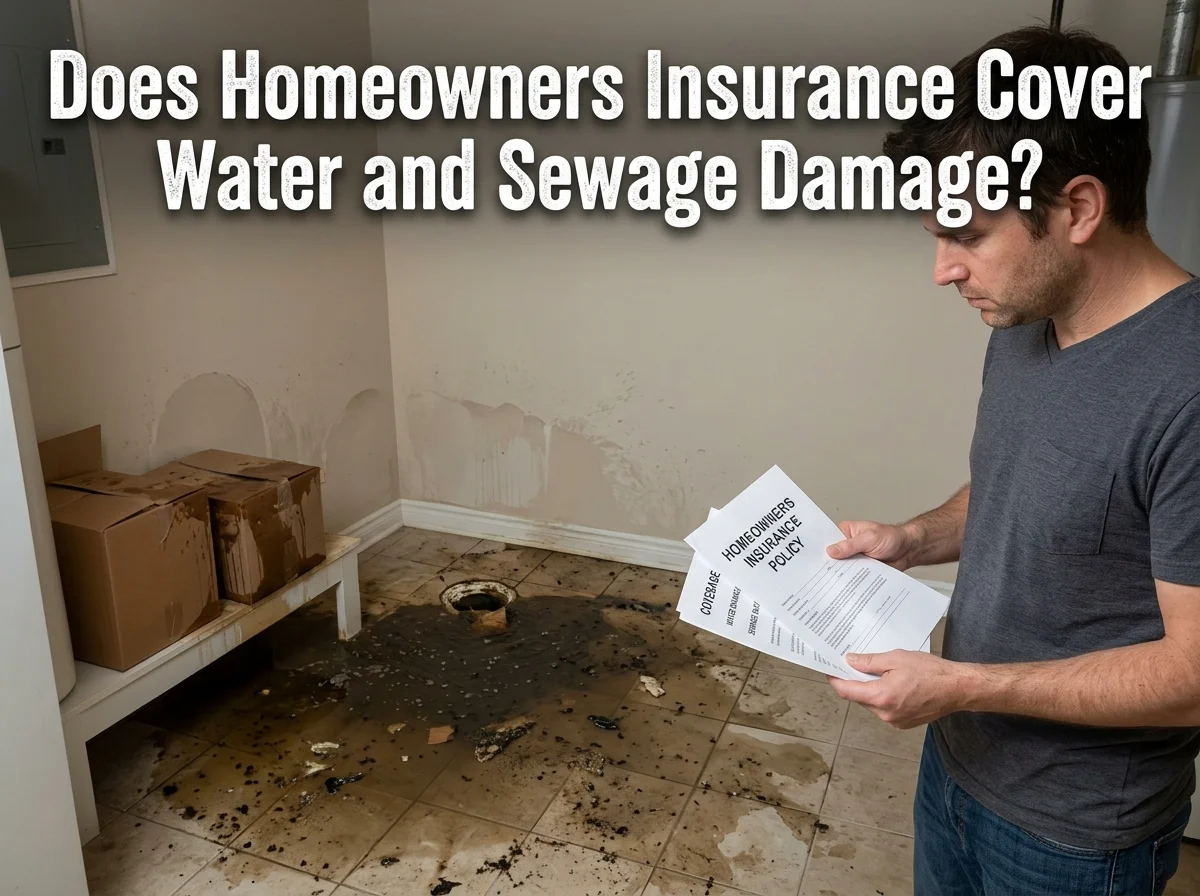
A pipe bursting at 2 a.m. and a slow drip that’s been going on under the sink for months can leave behind damage that looks nearly identical. Insurers don’t see it that way at all. One is the kind of sudden, accidental event that water damage insurance coverage is actually built for. The other gets waved off as something you should’ve caught sooner.
Then there’s sewage backup, which people assume falls under the same umbrella as regular water damage and, most of the time, doesn’t. Add flooding into the mix, and you’ve got three separate categories that homeowners tend to lump together as just “water damage,” when really each one plays by its own rules.
When Water Damage May Fall Under Homeowners Insurance
Cause matters more than severity here. A washing machine hose blowing out on a random Tuesday gets treated completely differently than water that’s been seeping through a foundation crack for a year, even if the repair bill lands in the same neighborhood.
Sudden Water Releases and Plumbing Failures
This is the category insurers are actually comfortable with. Burst pipes, a water heater tank splitting open, and a supply line to the fridge failing overnight. Fast, unexpected, nothing the homeowner could’ve reasonably seen coming. That’s the profile. Coverage for this kind of loss is fairly standard, though how it plays out depends on your carrier, your specific policy, and whatever endorsements you have attached. It’s not a guaranteed yes. It’s just the strongest case you can walk into a claim with.
Damage to the Home and Personal Belongings
Once a claim gets accepted, it usually covers more than just the pipe or the wall it soaked through. Furniture, flooring, and personal items—all of it can potentially get folded into the same claim. Personal property often has its own lower limit, though, separate from the dwelling itself, which is easy to miss until you’re comparing numbers on paper.
The Damaged Item and the Resulting Damage Are Not Always Treated the Same
Here’s where people get genuinely surprised. A water heater fails and floods the closet and hallway. The flooring and drywall might be covered. The water heater itself, the actual thing that broke? Maybe not. Some insurers view replacing the failed part as a maintenance expense rather than a covered loss, since equipment eventually wears out on its own. It’s inconsistent across policies, honestly, which is exactly why it’s worth a direct call to your agent instead of assuming either way.
Water Damage That Is Commonly Excluded
Wet floors don’t equal an approved claim. Before anything gets paid, insurers dig into how long the problem existed and whether it was something a homeowner should’ve caught.
Gradual Leaks and Long-Term Moisture
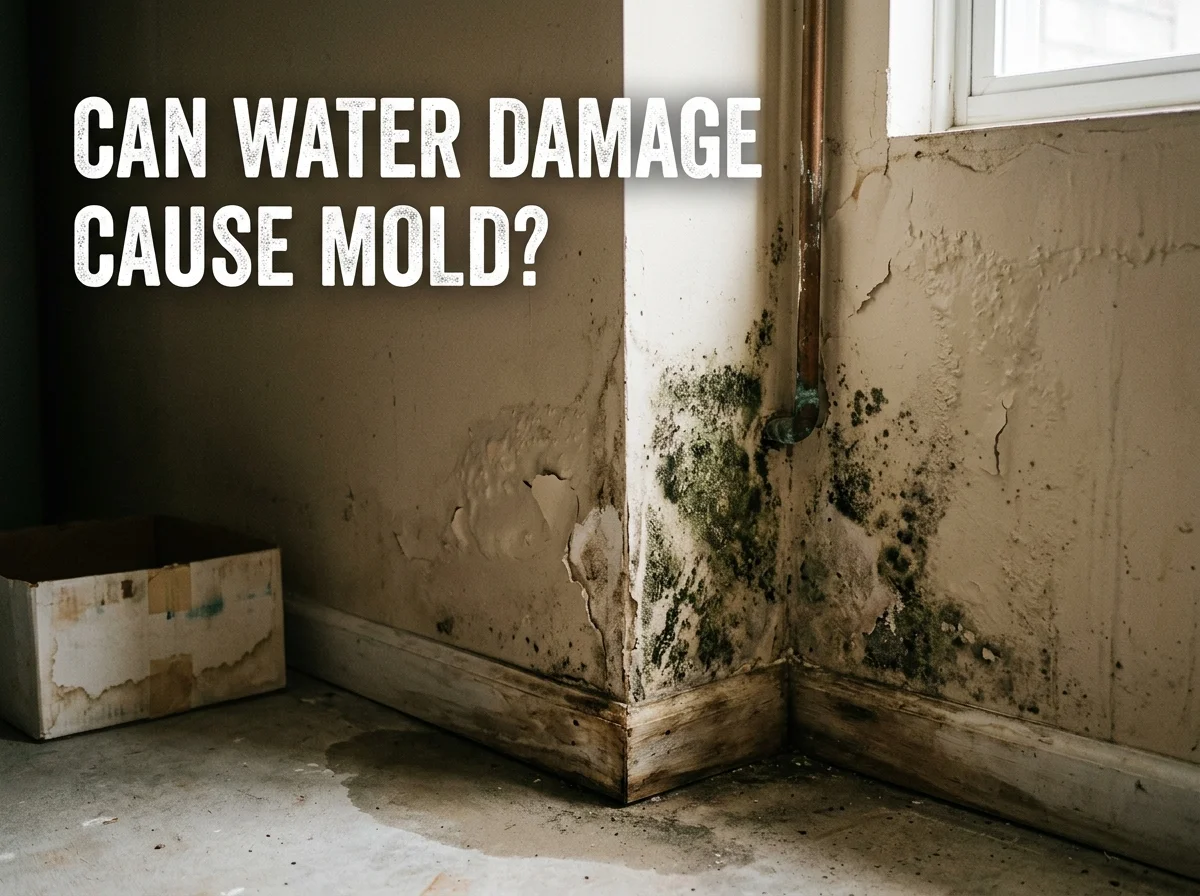
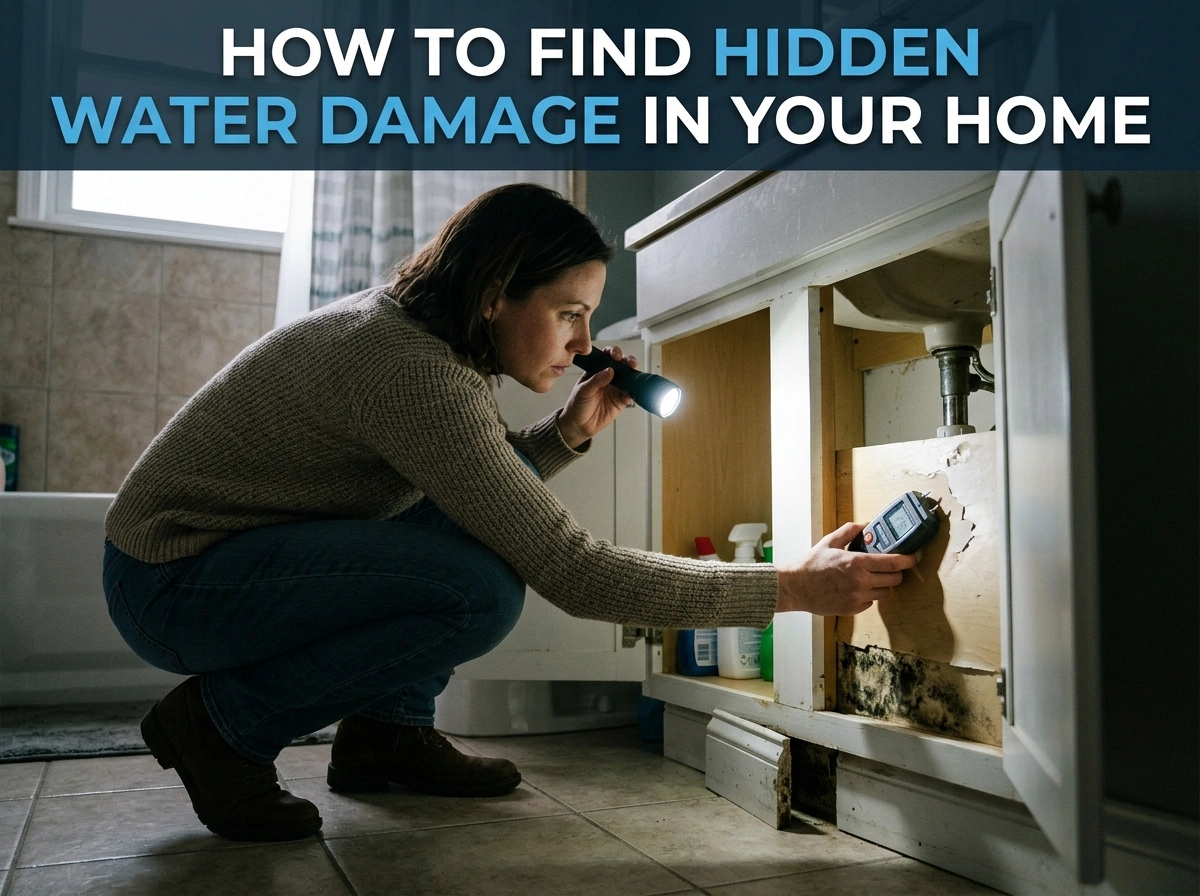
Probably the number one reason claims get denied. A drip under the sink that’s been going for six months. Moisture working through a bathroom wall because the caulk failed two years ago and nobody thought to check. Insurers distinguish between sudden and gradual damage, while mold or deterioration may be considered when determining how long moisture was present. That timeline works against you.
Maintenance-Related Damage
Old plumbing nobody ever inspected. A roof patched with tarps for two seasons instead of actually being fixed. This doesn’t automatically sink a claim on its own, but it shifts the whole conversation toward whether the damage was preventable, and that’s a much harder case to win once an adjuster starts asking questions.
Flooding Is a Different Coverage Question
Flood damage from overflowing waterways, storm surge, or accumulated surface water is generally excluded from standard homeowners insurance and typically requires separate flood insurance. People misunderstand this constantly. It’s not a small exclusion buried in the fine print; it’s a completely separate insurance product.
| Important Note: Two houses on the same street can flood the same way and end up with two totally different outcomes on their claims. Because of exclusions, deductibles, and whatever endorsements were or weren’t purchased—it all factors in. There’s no single answer that applies across the board. |
How Sewage Backup Coverage Differs
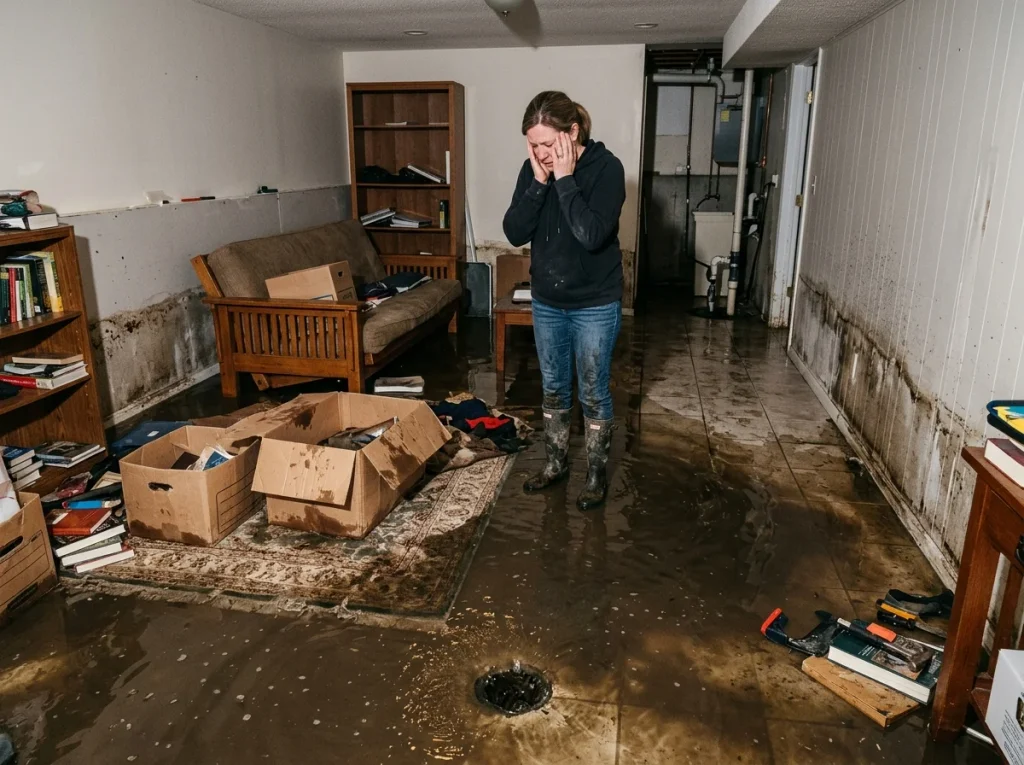
People talk about sewage backup like it’s just another flavor of water damage. It isn’t. On most standard policies, it sits in its own category, and it’s excluded by default unless you specifically went and added coverage for it.
Sewer and Drain Backups
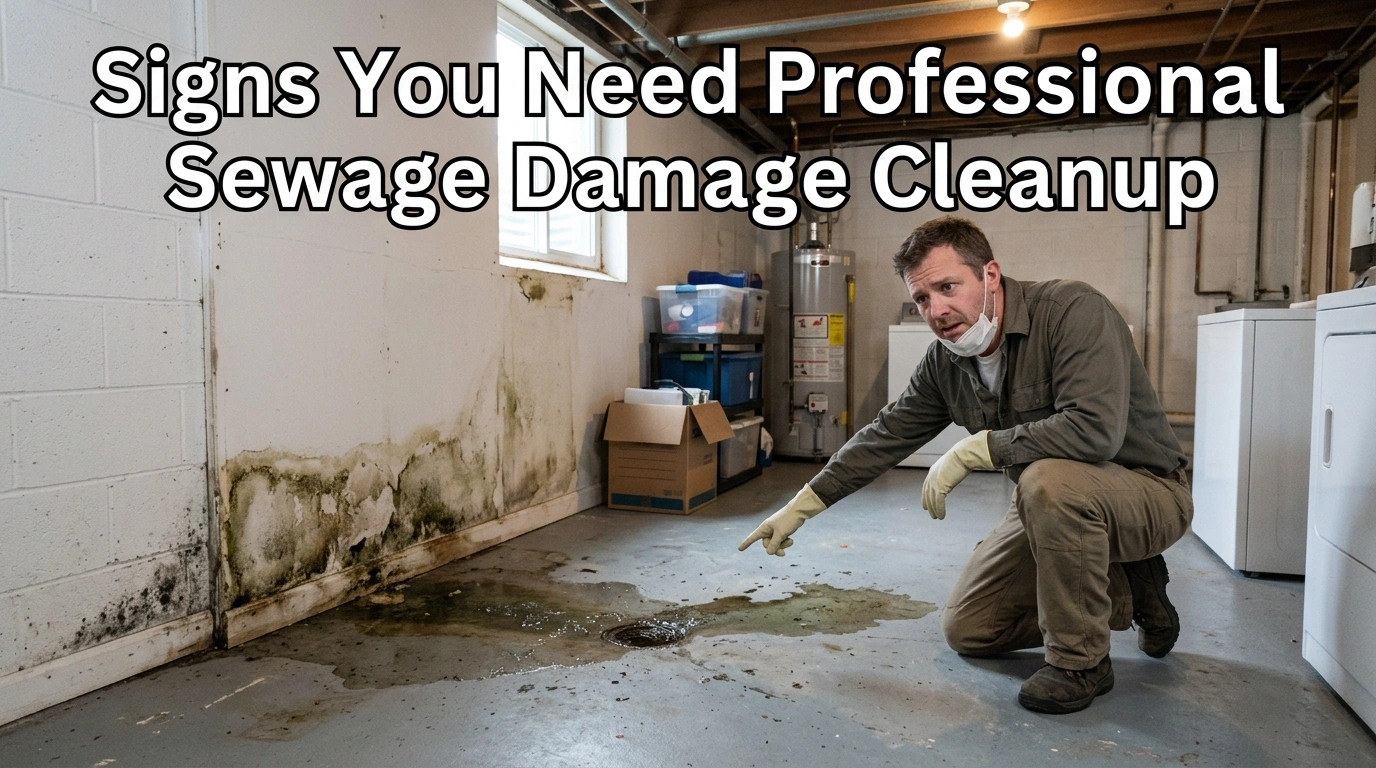
Wastewater gets pushed back into the house through a drain or toilet instead of flowing out the way it’s supposed to. Tree roots growing into an old sewer line cause this a lot. So does a municipal line clogging somewhere downstream or a storm dumping more water than the system can handle. Beyond the property damage, there’s a contamination issue too, which changes both how the cleanup happens and how urgently it needs to happen.
Sewer Backup Insurance and Policy Endorsements
Sewer backup coverage is commonly available as an add-on or endorsement because it is often excluded from standard homeowners policies. It comes with its own limit, sometimes five thousand dollars, sometimes ten, depending on the insurer and how much you bought. If you’ve never specifically asked whether this endorsement is sitting on your policy, there’s a decent chance it just isn’t.
Sump Pump Overflow and Similar Water Events
Gets grouped with sewer backup risk more often than people expect. So when a sump pump dies during a storm and the basement floods, some homeowners are shocked to find out it’s not covered the way they assumed. Worth asking your insurer directly whether that scenario falls under your sewage backup endorsement or needs its own thing entirely.
What Insurers Look At When a Water Damage Claim Is Filed
Once a claim comes in, the insurer’s whole job is reconstructing what happened. Not just confirming there’s water damage, but figuring out where it came from and what that means for coverage.
Cause and Source of the Water
The first move is almost always tracing the water back to its origin. A ruptured pipe looks nothing like slow seepage once someone’s actually inspecting it, and sewer backup gets flagged as its own thing immediately. If the cause lands somewhere excluded, neglected, or outside flooding, that tends to decide things long before repair costs even come up.
Deductibles and Policy Limits
Getting approved doesn’t mean getting a full check back. The deductible comes off first. Then policy limits cap whatever’s left. Knowing these numbers before something happens saves a lot of confusion during a moment that’s already stressful enough.
Documentation for a Water Damage Claim
Photos as things are found. A list of what got ruined. Receipts, repair records, whatever paper trail exists. Document the damage before mitigation begins, and continue taking photos as cleanup progresses. Standing around taking pictures instead of shutting off water just makes the damage worse, and it doesn’t actually help your claim either.
What to Do After Water or Sewage Damage
The first hour or two matters more than people think. Safety first, but documentation and reporting need to happen right behind it.
Address the Water Source and Safety First
Shut off the water if it’s safe to do so. Stay clear of standing water anywhere near outlets or a breaker panel. Sewage water is a different situation entirely; direct contact should be avoided altogether, and if the source can’t be handled safely on your own, that’s the moment to call a professional instead of trying to push through it yourself.
Document the Damage
Take photos and videos of every room affected before anything gets moved or cleaned. Takes five minutes. You’ll be glad you did it if anything gets questioned later.
Notify the Insurance Company
Every policy has its own reporting window, and they’re not all the same. Calling sooner rather than later keeps things moving and avoids the headache of a claim getting picked apart over a delay.
Arrange Appropriate Restoration
A shop vac and a box fan won’t cut it once you’re past a minor spill. Moisture hides in places you can’t see, which is exactly why a real assessment needs to happen before drying equipment goes in. Sewage adds a sanitation step on top of everything else, given what’s actually in that water. Restoration work also tends to leave behind the kind of documentation, moisture readings, photos, and written notes that help a claim along, even if none of it guarantees how the claim gets decided in the end.
What to Check in Your Homeowners Insurance Policy
Most people never crack open their policy documents until something’s already gone wrong. A few minutes with it beforehand saves a lot of guessing later.
| Policy Detail | What to Check |
| Water damage coverage | Which water-related losses are covered |
| Sewer backup coverage | Whether backup protection is included |
| Flood coverage | Whether separate flood insurance is needed |
| Deductible | What amount applies to a covered claim |
| Policy limits | Maximum amounts available for covered losses |
| Exclusions | Which water-related events are excluded |
| Claim requirements | What documentation and reporting steps are required |
Key Details to Have Ready Before Contacting Your Insurer
- Photos and video of everything affected
- A rough list of damaged belongings and their value
- Receipts or repair records tied to the loss
- Your policy number and current deductible
- A short note on when and how you discovered the damage
- Contact info for a restoration company, if you’ve already called one
Frequently Asked Questions About Water and Sewage Damage Insurance
Does homeowners insurance cover sudden water damage?
Usually, yes. A sudden event like a burst pipe fits what these policies are built for. Your deductible and limits still apply, and it’s never automatic, so confirming with your carrier beats assuming.
Does homeowners insurance cover a plumbing leak?
Depends entirely on timing. Sudden failure, decent shot at coverage. A leak that’s been dripping for weeks without anyone noticing gets treated as gradual damage, and that’s usually excluded no matter how the repair looks afterward.
Does homeowners insurance cover sewage backup?
Not by default, most of the time. Sewer backup typically needs its own endorsement tacked onto the policy, and it comes with a separate, usually smaller, coverage limit.
Will Homeowners Insurance Pay for Water Damage Caused by an Appliance?”
The damage it causes, like ruined flooring from a failed dishwasher hose, often gets covered. The appliance itself is a separate question and isn’t always included, since equipment failure gets treated differently than the damage it triggers.
Does homeowners insurance cover flood damage?
No, not under a standard policy. Flooding needs its own dedicated flood insurance, and this is one of the most commonly misunderstood gaps out there. Worth looking into directly if you’re anywhere near flood-prone ground.
What Details Should You Have Ready for a Water Damage Insurance Claim?
Photos and video taken as soon as it’s safe, a list of what got damaged, and any paperwork from repairs or restoration work. Document alongside the cleanup, not instead of starting it.
Getting Help When Water or Sewage Damage Hits Home
Sudden, accidental events give you the best shot at coverage. Slow leaks, neglect, outside flooding, and sewer backups without an endorsement—all of that tends to fall outside a standard policy. None of this replaces actually reading your policy or calling your insurer about your specific situation, because the details really do vary that much.
Once the damage is already sitting there, dealing with insurance and cleanup at the same time gets overwhelming fast. Allied Restoration handles water and sewage damage restoration for homeowners, assessing what’s actually affected, removing standing water, drying everything out properly, and documenting the process in a way that can support whatever claim you end up filing.
If your home’s dealing with water or sewage damage right now, or you just want someone to take a look before deciding what’s next, reach out to Allied Restoration to talk through the situation.