Flood Cleanup in Kalispell, MT
- Home
- Flood Cleanup
Our Services
Fast Help Starts Here
From inspection to complete restoration, we’re here to restore your property with confidence.
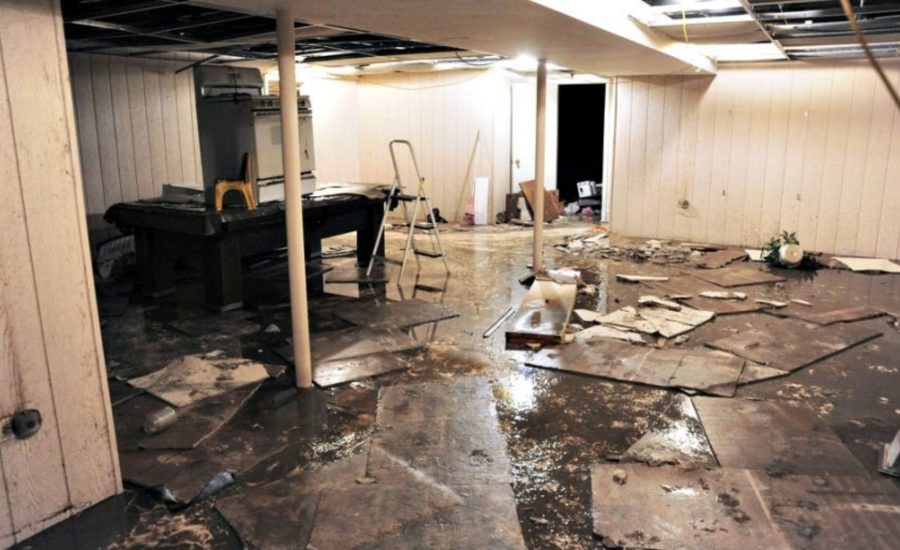
Professional Flood Cleanup & Water Removal Services
Few things rattle a homeowner like brown water inching up the basement stairs with no sign of stopping. Allied 24/7 Restoration handles flood damage restoration for homes and businesses across Kalispell and the Flathead Valley. We take care of everything from pumping the water out to performing necessary repairs.
Our phone is answered around the clock at (406) 756-4357. For active flooding in the Kalispell area, a technician is typically on site within 60 minutes to get things under control. Our owner Tim also follows the job through to the end.
What Flood Cleanup Involves
Water pushing in from the yard or street rarely arrives clean, since it picks up dirt and occasionally septic overflow on the way. If the water sat for more than a day or two, mold may already be taking hold, so our crew checks before rebuilding and carries out professional mold remediation wherever it’s needed.
Flood Water Removal and Emergency Water Extraction
Flood water removal starts with a look outside the house. When the soil around the foundation is still saturated, draining the basement too quickly can let outside water pressure push against the walls. In that case, our crew pumps in stages as the outside water level drops.
Once it is safe, emergency water extraction pulls the remaining water out of carpet, pad and low corners. We shovel out the silt and mud the flood leaves behind. Then industrial dehumidifiers and air movers go in to dry the structure.
Cleaning Up After Contaminated Water
We treat floodwater as contaminated, because it almost always is. Drywall, insulation and carpet that sat in it usually can’t be cleaned well enough to keep. Our crew cuts wet drywall in a clean line above the high-water mark, which also opens the wall cavities so they can dry.
Concrete, framing and other hard surfaces get scrubbed and disinfected. Moisture meters then tell us when the wood is dry enough to close back up. Sealing damp framing behind new drywall is a common way for mold to start weeks after the water is gone.
Basement Flood Restoration and Repairs
Basement flood restoration makes up much of our spring work, when snowmelt and rain lift groundwater across the valley. After drying, we put back what came out, from framing and insulation to drywall and flooring. The crew that pumped the water is the crew that finishes the rebuild.
Flood damage repair also means understanding how the water got in. Tim checks for things like a failed sump pump or soil sloping toward the foundation, and explains what will help keep water out next spring.
Commercial Flood Cleanup
Commercial flood cleanup follows the same steps, with extra focus on getting your doors open again. We dry and rebuild in sections where possible, so unaffected areas can reopen first.
Rapid Emergency Response
We arrive quickly to remove floodwater and reduce further property damage before it worsens.
Complete Property Recovery
From cleanup to final restoration, we provide comprehensive solutions to restore your home or business.
Signs Flooding Is Reaching Your Home And What to Do
Most local flooding does not come from a river spilling over. It comes from snowmelt and spring rain soaking into the ground. Neighborhoods with a high water table, such as Evergreen, often see basements take on water before anywhere else. A warm rain on a heavy snowpack can raise groundwater quickly.
Signs that groundwater or runoff is finding its way in:
- Dark damp patches or chalky white streaks on basement walls
- Water rising through slab cracks or around the floor drain
- A sump pump that won't stop cycling, or has gone silent
- An earthy, stale smell downstairs after a thaw
Before our crew arrives:
- Shut off basement power at the breaker, but only if you can reach the panel without wading through water.
- Keep everyone, pets included, out of the floodwater.
- Carry belongings upstairs if the water is shallow and the stairs are safe.
- Record the water level with photos and video before anything gets pumped.
- Hold off on pumping the basement yourself while the yard is still waterlogged.
Wet drywall and carpet can start growing mold within 24 to 48 hours, so drying should begin as soon as the water is out.
Our Flood Cleanup Process
Call any hour. Day, night, weekend or holiday, the phone gets picked up.
Damage assessment. Tim checks the water source, conditions outside and how far the water spread, then lays out the plan.
Water removal. We pump and extract in a safe order, then haul out mud and debris.
Entry point identified. We pinpoint how the water got in and talk through ways to keep it out.
Clean, dry, rebuild. Contaminated materials come out, surfaces get disinfected, and the structure dries before repairs begin.
Final walkthrough. Tim reviews the finished space with you.
Will Your Insurance Pay for Flood Damage?
Usually not under a standard homeowner policy. Most policies exclude flooding from outside sources, and that includes groundwater seeping through the foundation.
Flood insurance is a separate policy, often bought through the federal flood insurance program. It covers flood damage to the structure, but coverage for basements and the belongings stored in them is limited.
If the water came from a failed sump pump, look for a sump pump or water backup endorsement on your homeowner policy. Some insurers sell it as an add-on.
When you do have coverage, whether through a flood policy or a sump pump endorsement, Allied works with most insurers, including Travelers, AAA, Farmers and Progressive. We document the high-water line, damaged materials and moisture readings in detailed reports for your claim.
How We Rebuild Your Basement That Holds Up Next Spring
In neighborhoods with a high water table, a flooded basement is often a pattern, not a one-time event. Putting back the same carpet and paper-faced drywall just sets up the next cleanup.
Before we rebuild, Tim walks you through materials that hold up better if water comes back:
- Hard-surface flooring such as tile or sealed concrete, which can be cleaned and dried after a flood rather than torn out
- Moisture-resistant board along the lower part of the walls
- A small gap between the bottom of the drywall and the slab
He will also point out what’s letting the water in, such as a worn-out sump pump or downspouts emptying right next to the foundation. Our crew handles both the cleanup and the rebuild, so you can just sit back and relax.
Flood Cleanup FAQs
Usually not when floodwater is the source. Carpet and pad absorb whatever the water carried, and cleaning rarely gets all of it out. Hard flooring and some area rugs can sometimes be salvaged, depending on how long they sat wet.
Structural drying typically takes 3 to 5 days once the water is out. Concrete walls and slabs can hold moisture longer, especially while groundwater stays high. We keep taking readings until everything is dry enough to rebuild.
The difference is where the water came from. Flood cleanup deals with water from outside, which is treated as contaminated. Leaks and burst pipes inside the house usually involve cleaner water and fall under our water damage repair service.
Get Help With Flood Cleanup Today
Floodwater left sitting in a basement keeps working its way into walls and framing. Call Allied 24/7 Restoration at (406) 756-4357 from Kalispell, Evergreen, Creston or anywhere in the Flathead Valley. Book a free inspection, and Tim will explain how the water got in and what it will take to put things right.
- Service Areas
Fast Flood Cleanup and Recovery
We help remove floodwater, manage excess moisture, and clean affected areas to support a safe and efficient property recovery process.
- Service Areas
Fast Flood Cleanup and Recovery
We help remove floodwater, manage excess moisture, and clean affected areas to support a safe and efficient property recovery process.