You mopped up the leak. The floor’s dry to the touch. So why are you still wondering if mold is coming? Fair question. Water damage doesn’t guarantee mold, but it does set the stage for it. Mold needs damp conditions to take hold, and that’s exactly what water damage leaves behind—especially when wet material stays wet, moisture gets trapped somewhere out of sight, or indoor humidity stays high.
Here’s the thing, though: plenty of homes get wet and never grow mold. What happens next depends on how much moisture was involved, what kind of materials got hit, how well (and how fast) everything dried out, and whether water snuck into places you couldn’t see. Water damage mold is not caused simply by the presence of water. The real problem is moisture that doesn’t belong.
Understanding the Connection Between Water Damage and Mold
Water damage and mold are related, but they’re not the same problem. Mold spores are already around—indoors and out—all the time. They only become an issue when they land somewhere damp and find enough moisture to grow. A burst pipe, an overflowing washing machine, a flood—any of these can push moisture into materials that are normally bone dry. If those materials stay wet, you’ve created exactly the environment mold wants.
Visible damage does not always show how far the water has traveled. Moisture likes to travel. It can soak into drywall, settle underneath flooring, or sit inside insulation long after the room itself looks and feels normal again.
That’s really the crux of it: mold after water damage usually comes down to whether moisture was controlled—not the fact that a leak happened in the first place.
How Moisture Duration Changes the Mold Risk
The longer materials stay wet, the more time mold has to establish itself. Dry things out fast, and you shrink that window. Let moisture linger, and you’re handing mold a head start. The EPA’s guidance is to dry wet or damp materials within 24 to 48 hours of a leak or spill to keep mold from getting going.
Don’t treat that number like a countdown timer, though—it’s a prevention target, not a hard deadline. How fast something actually dries (and how much risk builds up if it doesn’t) depends on the material, the temperature, the airflow, and more. A leak that’s caught quickly and dried thoroughly might leave almost no trace. A much smaller leak hidden inside a wall, where nobody notices it’s still wet, can end up being the bigger problem.
Why a Surface Can Look Dry While Moisture Remains
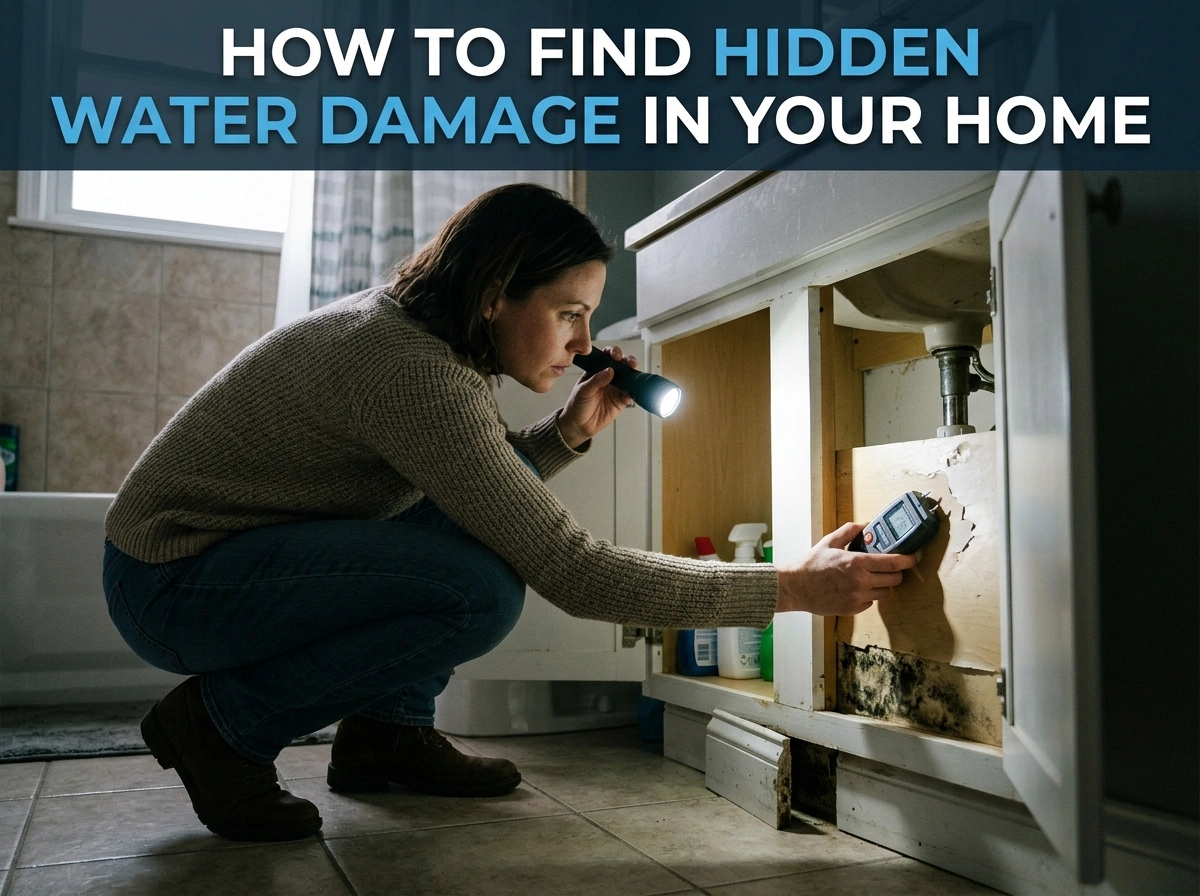
Here’s a trap a lot of people fall into: a dry-looking surface doesn’t mean the material underneath is actually dry. Moisture likes to hide—inside drywall, insulation, flooring assemblies, anywhere that’s not easy to see or reach.
Think about a floor that feels dry on top while the padding or subfloor beneath it is still soaked. Or a wall that looks completely fine while the back side of the drywall, or the cavity behind it, is still damp. The EPA specifically calls out hidden mold and hidden moisture as things worth checking for after a leak.
| Pro Tip: Don’t judge whether water damage has fully dried just by how a surface feels. Moisture can still be sitting inside building materials or enclosed spaces well after the visible water is gone. |
This is exactly why moisture assessment matters. The goal isn’t a room that looks dry—it’s confirming the materials actually are dry.
Where Can Moisture Remain After a Leak?
Water can affect each type of building material differently. Porous materials soak moisture up and can be stubborn to dry out fully, particularly if there’s not much airflow reaching them.
Materials commonly affected:
- Drywall and gypsum board
- Insulation
- Wood surfaces
- Carpet and carpet padding
- Flooring and subfloor assemblies
- Ceiling materials
- Cabinets and other enclosed spaces
Condition matters as much as material type. Drywall that only picked up a little moisture can sometimes be dried in place, while drywall that’s swollen or badly damaged usually needs a different approach. The EPA also notes that some porous materials—moldy carpet or ceiling tiles, for instance—often need to be replaced outright, since mold can work its way into spaces that are nearly impossible to clean thoroughly.
So “wet material = tear it out” isn’t really the rule. What happens next depends on the material, how long it was exposed, how contaminated it is, how bad the damage is, and whether it can actually be dried properly.
What Should You Look For After Water Damage?
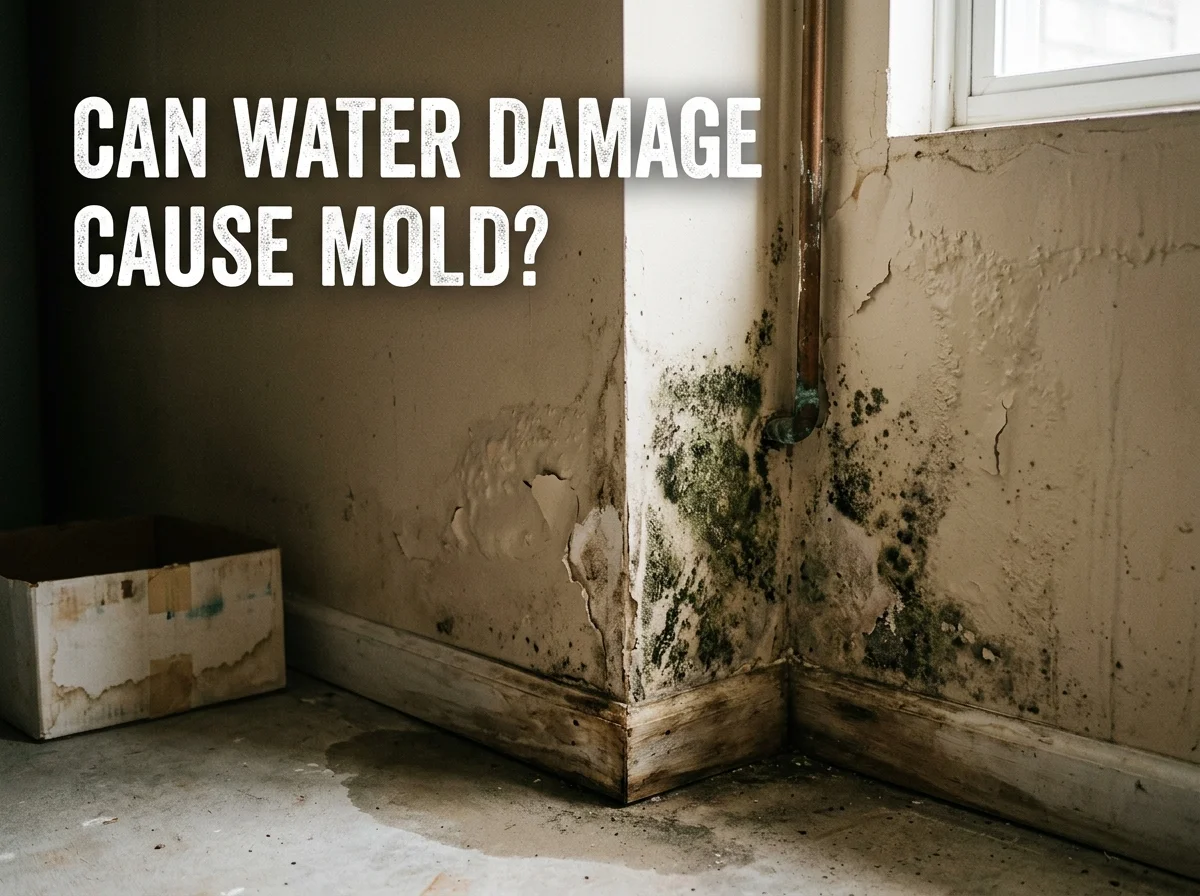
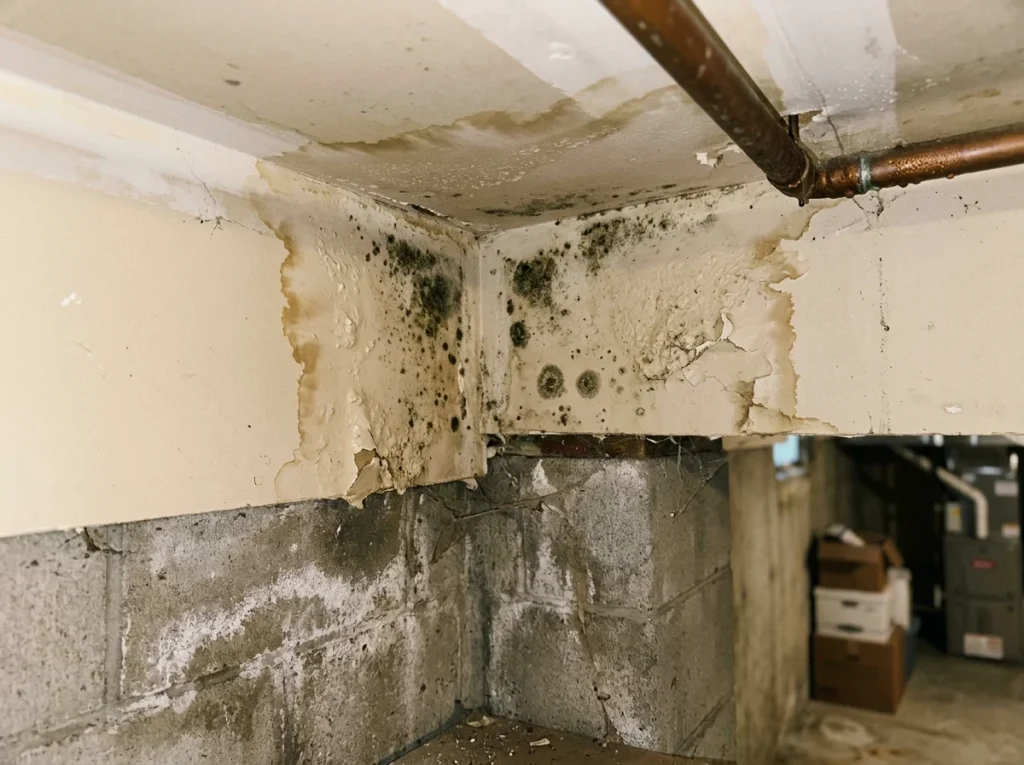
There’s no single telltale look that confirms “yep, that’s mold.” It can show up as spots, patches, or discoloration in all kinds of colors. A musty smell is often just as telling—especially if it shows up in an area that recently had water damage.
The EPA notes that certain mold-related compounds are what create that musty, moldy odor people associate with mold growth. If that smell sticks around, it’s worth investigating—not masking with an air freshener.
Signs worth paying attention to after water gets in:
- Visible spots or patches in a previously wet area
- A musty smell that keeps coming back
- Persistent dampness
- Peeling or bubbling finishes
- Discoloration alongside ongoing moisture
- Mold that returns after you’ve cleaned it
- An area that stays damp no matter what
A water stain on its own is a different animal. It tells you water was there at some point—it doesn’t prove mold is actively growing. And the reverse is true too: a surface that looks perfectly clean doesn’t rule out hidden moisture or hidden mold.
Where Hidden Mold Can Develop
Mold can develop in places you may not think to check after water gets into a home. Water can seep into a wall or floor and remain there even after the area looks dry. Behind drywall, under flooring, inside insulation, behind baseboards, and around plumbing openings are some of the places where moisture can linger.
The problem is that you may not know the moisture is still there. You may not see anything unusual on the surface, but there could still be damp material underneath. A musty odor or an area that keeps feeling damp can be a clue that the moisture has not dried out completely.
Why Some Water-Damaged Homes Develop Mold and Others Don’t
Two houses can have nearly identical leaks and end up in completely different places. Mold isn’t inevitable—it depends on what happens after the water shows up.
Factors that shift the risk:
- How long materials stay damp
- How much water got into the structure
- Whether moisture reached hidden areas
- Indoor humidity and airflow
- The type and condition of the materials involved
- How thoroughly everything actually got dried
Humidity keeps mattering even after the leak itself is old news. The EPA recommends keeping indoor relative humidity under 60%, with 30–50% as a typical healthy range. In Kalispell winters, though, you’ll often want to aim lower — somewhere around 20–30% — to keep condensation from forming on cold window panes and inside exterior wall cavities.
Why Repeated Moisture Creates a Different Risk
A leak that keeps coming back deserves more attention than a one-time event, simply because it keeps reintroducing moisture to the same spot. A roof leak that reappears every time it rains (or when ice dams melt in winter), a plumbing connection that never quite gets fixed, and condensation that keeps forming on a pipe—none of these give materials a real chance to dry out and stay that way.
It’s not that a repeat leak automatically causes mold. It’s that ongoing moisture makes moisture control a lot harder. Materials can get damp again before they’ve even finished drying from the last time.
That’s why fixing the source is part of prevention, not a separate step. Cleaning up the visible mess without addressing why it keeps happening just resets the clock.
Does the Type of Water Change the Restoration Approach?
Yes, and this one’s important. Where the water came from changes how it should be handled.
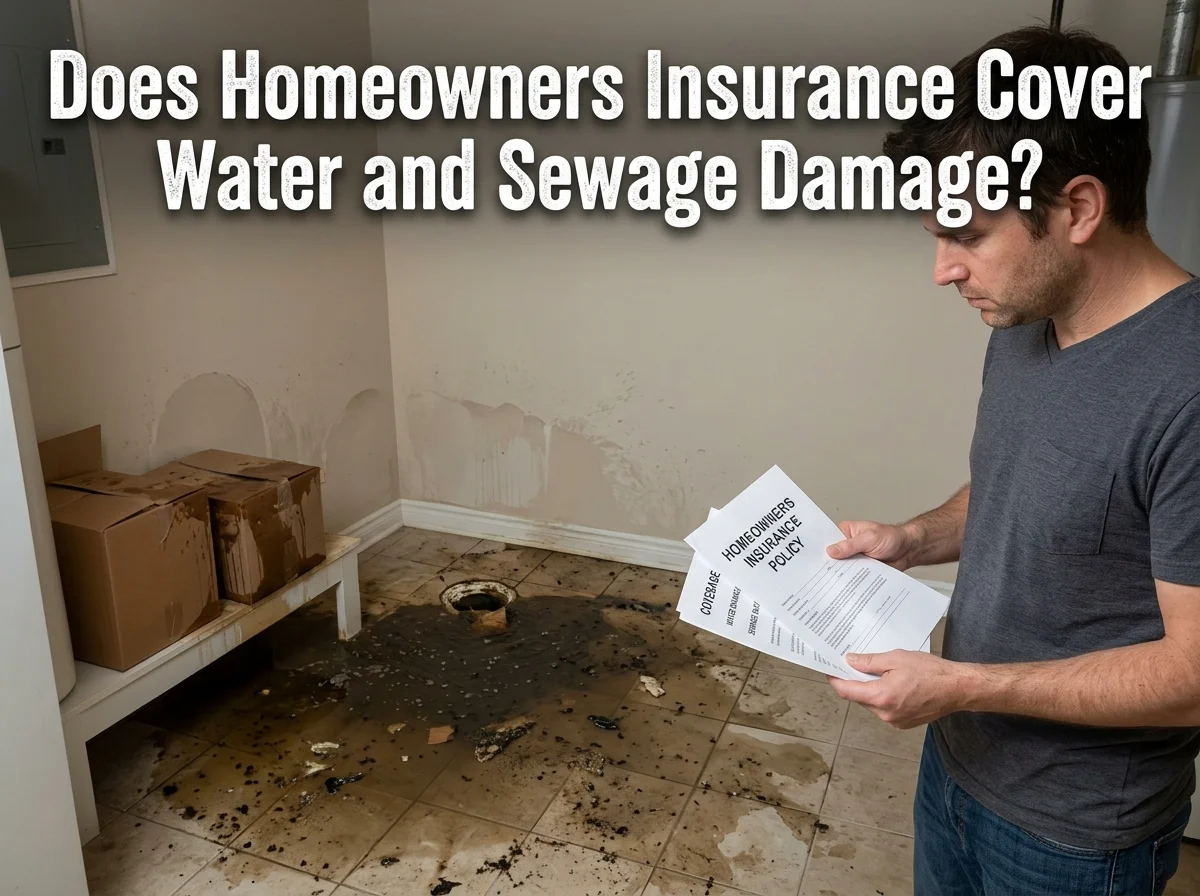
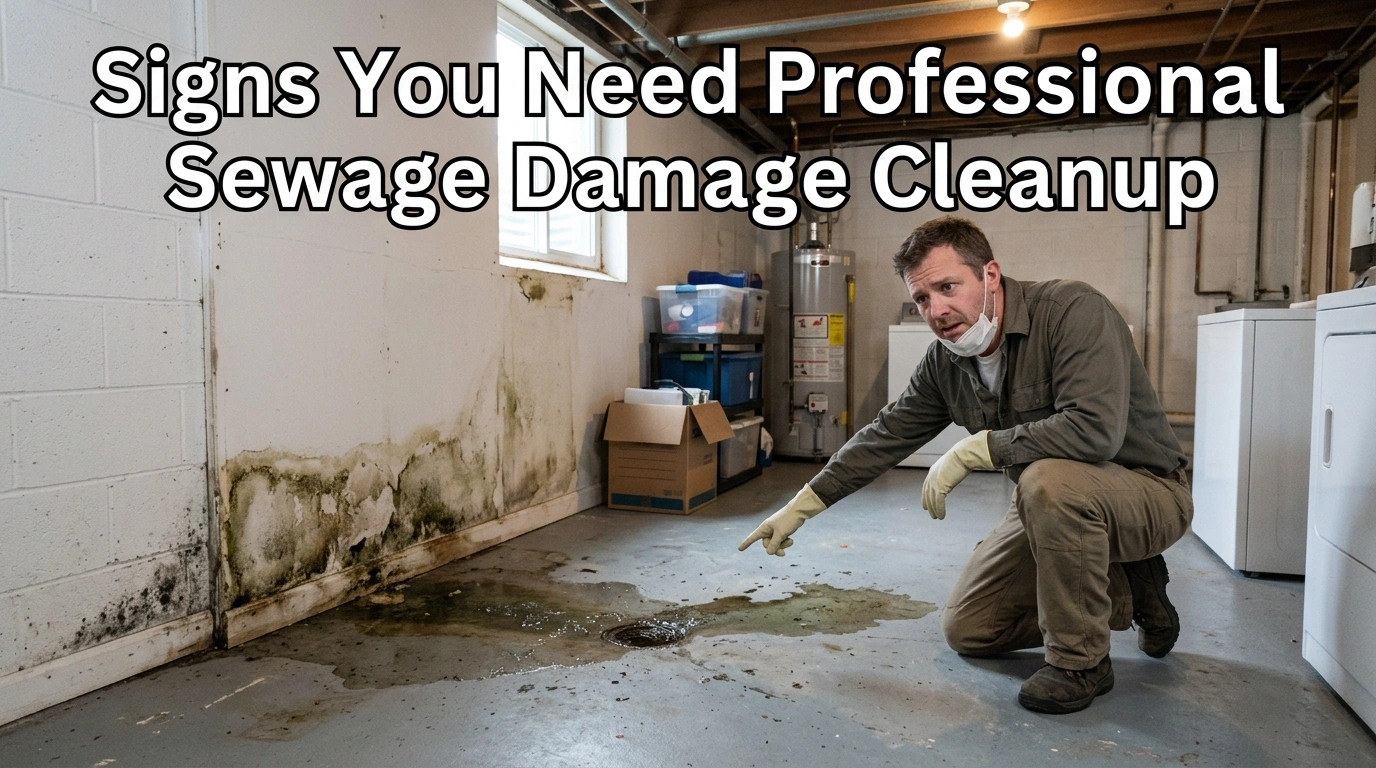
Water from a clean source is a very different situation than water that might carry sewage, chemicals, or other contaminants. Contaminated water brings extra hazards, and that changes the cleanup process, the protective measures needed, and what happens to the materials it touched.
The EPA draws a clear line here between clean-water situations and cases involving sewage or contamination—it recommends bringing in an experienced professional for contaminated water and specifically warns against running fans before you know whether the water is clean.
In other words, not all water damage cleanup looks the same. Where the water came from—and how clean or dirty it is—shapes the right response.
What Can Homeowners Do to Reduce Mold Risk After Water Damage?
It starts with controlling the moisture, not making the room look presentable. Once the source is fixed, the priority shifts to actually drying affected materials—not just the parts you can see.
Practical steps:
- Start drying as soon as the water source is under control
- Remove standing water once it’s safe to do so
- Get airflow moving through the affected area
- Bring down excess indoor humidity
- Check for moisture beyond the obviously wet spot
- Keep an eye on previously affected areas for dampness or odor returning
- Fix any leak that’s still actively adding moisture
The EPA’s guidance is to dry wet materials within 24–48 hours when possible and to keep indoor humidity under control on an ongoing basis.
Painting over a stain or spraying an air freshener doesn’t fix the moisture underneath it. Real mold prevention means dealing with that moisture directly.
When Does Water Damage Call for Professional Restoration or Mold Help?
A small spill that gets cleaned and dried right away often doesn’t need a professional. Things get trickier when you’re not sure how far the moisture spread, or materials just won’t fully dry no matter what you try.
Bringing in a professional makes more sense when you’re facing:
- Widespread water damage
- Moisture inside walls or ceilings
- Wet insulation
- A musty smell that won’t go away
- Visible mold
- Contaminated water
- Areas that stay damp even after drying attempts
- Repeated moisture issues
- Mold that keeps coming back
- Uncertainty about whether materials are actually dry
These are hard calls to make just by eyeballing a room. Moisture often hides in places you can’t reach or assess on your own.
Frequently Asked Questions
Does Water Damage Lead to Mold?
Yes. The presence of water damage provides the conditions for mold to grow but doesn’t ensure it will. It is really about the duration of the moisture, where moisture is trapped, and how completely the area is really allowed to dry out.
How soon can mold grow after water damage?
Mold doesn’t always appear at a specific time. The EPA recommends drying wet or damp materials within 24 to 48 hours when possible to help reduce the chance of mold growth.
Is it possible for mold to grow behind walls following water damage?
Yes. Water may seep into drywall, insulation, and wall cavities and remain undetected. An exterior wall that appears dry does not necessarily indicate that the interior wall is dry. If the odors or wetness remain after a leak, consider further investigation.
Do all water-damaged homes have mold?
No. It depends on the moisture and how long materials remain damp. Fast and thorough drying can reduce the risk, while hidden or lingering moisture can increase it.
How to know if water damage is responsible for the development of mold?
Look for visible mold growth, musty odors, or areas that remain damp after water damage. Sometimes moisture is not obvious, and if this is the case, a correct moisture assessment should be performed.
Is drying water damage to prevent the occurrence of mold?
Yes, it’s one of the most significant things you can do. The challenging aspect is ensuring the drying spreads beyond what you can see to the affected materials and areas.
Final Thoughts
Water damage can create the right conditions for mold—but it doesn’t guarantee mold will show up. What really decides the outcome is what happens to the moisture afterward. Fix the source, dry things out properly, and you take away most of what mold needs to grow.
If you’re dealing with lingering moisture, a musty smell, or visible mold, or you’re just not sure whether a water-damaged area is truly dry, Allied Restoration handles water damage restoration and mold remediation for affected properties. Our team assesses the situation first and figures out exactly what kind of restoration work is actually needed.