If you’ve never had water damage in your home, you most likely have no idea what a restoration team actually does once they show up. Most people picture someone running a shop vac over the carpet and calling it done. The real process is longer and more technical than that, and knowing what to expect can save you from a lot of confusion when it’s happening in your own living room. Here’s a real look at how professional water damage restoration works, step by step, plus what changes when the water involved is actually sewage.
What Happens During a Professional Water Damage Restoration Service?
Water damage restoration is more than a drying process. It’s not just a mop and a fan; it’s a whole process beginning with an inspection and ending with the property back in livable condition. A licensed water damage restoration company will not rush through this and instead regards it as a controlled process with checkpoints.
The team must determine what type of water they are working with before anyone puts a hand on any equipment. Clean water is from a supply line or a broken appliance hose. Along the way, some contamination has occurred, perhaps because of an overflow from a washing machine. The serious one is black water. It is used for carrying sewage or floodwater, and it alters the whole way in which the workers work.
The Water Damage Cleanup Process, Step by Step
There’s a general order to how a water damage cleanup job unfolds. The specifics shift depending on how bad the damage is and where the water came from, but the bones of the process stay pretty consistent from job to job.
Property Assessment and Moisture Inspection
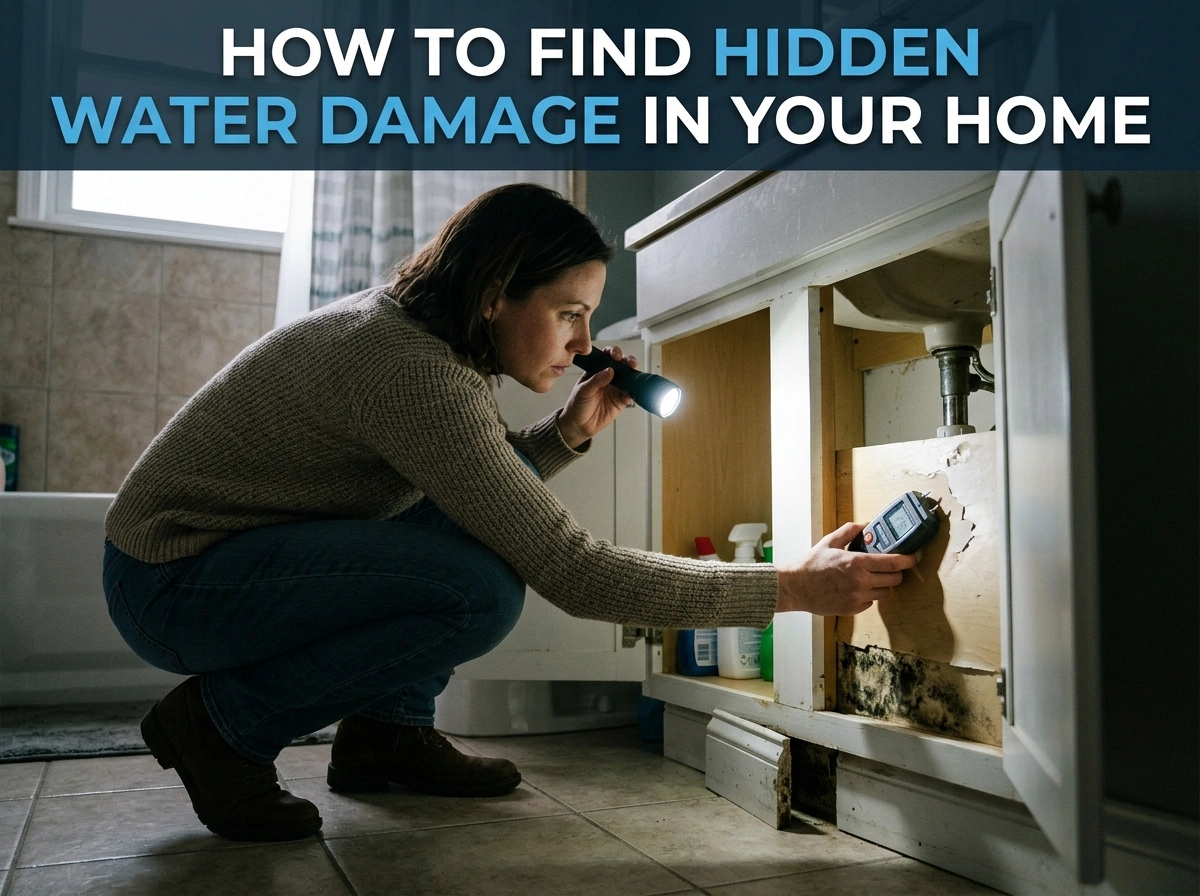
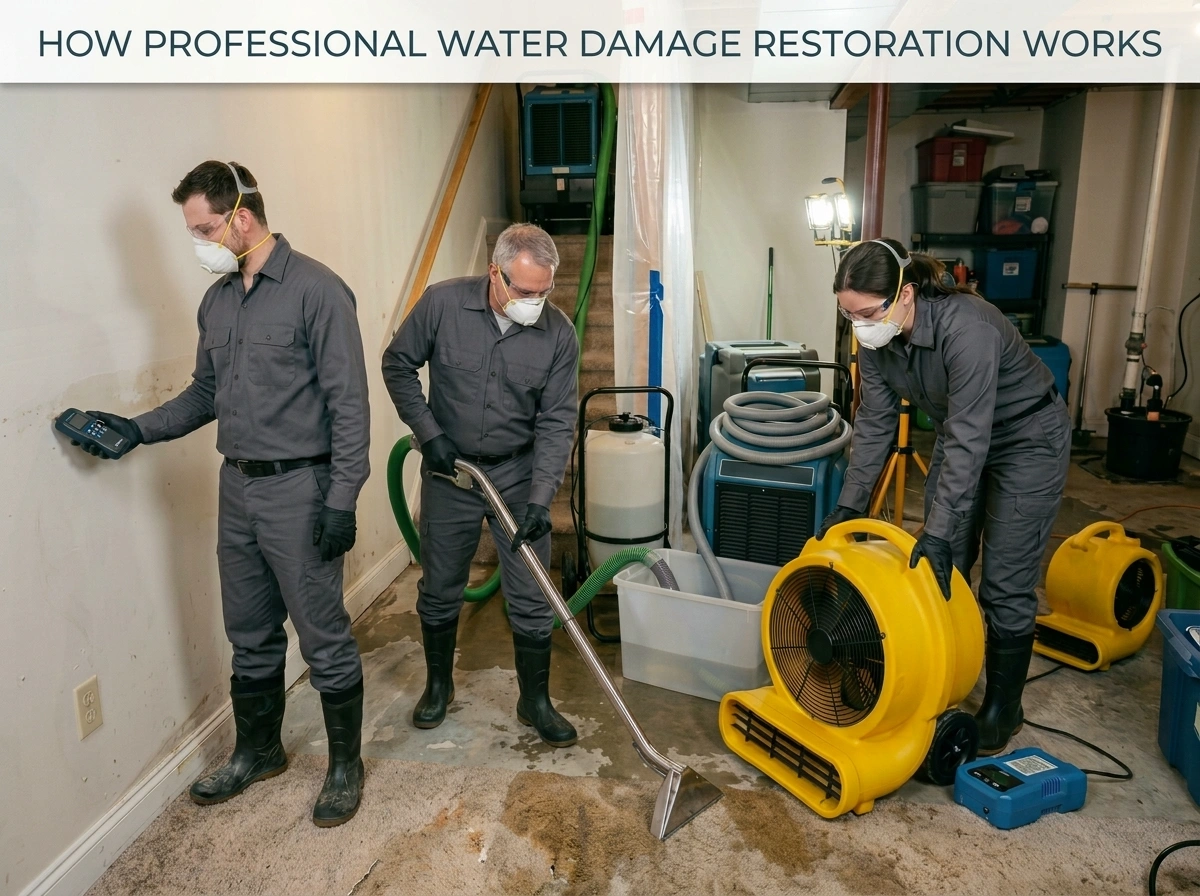
The first thing a trained technician does after arriving is track down the source and shut it off if it’s still running. From there, they get into the actual inspection. Moisture meters and thermal cameras help the crew figure out how far the water has traveled, often well past what’s visible on the surface. Water hides behind walls and under flooring more often than homeowners expect.
Water Extraction Service
Once the source is under control, the standing water has to come out, and this is where a water extraction service earns its keep. Industrial pumps and truck-mounted units clear out large volumes fast. Timing matters a lot here. Water sitting on drywall or subfloor for more than a day or two starts causing real problems, from warping to mold growth, so workers try to get extraction done as early as possible.
Structural Drying and Moisture Detection
With the standing water gone, the slower part of the job begins. Air movers and dehumidifiers go to work pulling residual moisture out of carpet padding, wall cavities, and anything else that got soaked. Technicians don’t just eyeball it and call it dry either. They recheck moisture levels daily with detection tools and leave the equipment running until the readings actually match a normal, dry baseline.
Cleaning, Sanitizing, and Odor Control
Even a clean-water loss picks up dirt and bacteria fast once it’s been sitting around. Technicians go through and sanitize the affected surfaces along with anything that’s being saved, using antimicrobial treatments to keep mold and bad smells from setting in. Skip this part, and you’re often left with a lingering musty smell in the carpet or drywall for weeks afterward.
Repairs and Reconstruction
Whatever couldn’t be saved gets replaced in this last phase, whether that’s drywall, flooring, baseboards, or insulation. Working with a full-service water damage contractor means you’re not stuck finding a separate company to handle repairs once the drying equipment leaves. Keeping the whole job with one crew usually means a shorter timeline and a lot less back and forth on paperwork.
A few things are worth having ready before the crew shows up at your door:
Photos of the damage for your insurance file, a running list of which rooms and belongings got hit, and the contact info for your adjuster. None of this takes long to pull together, but it saves time later when you’re filing a claim.
When Water Damage Turns Into a Sewage Damage Repair
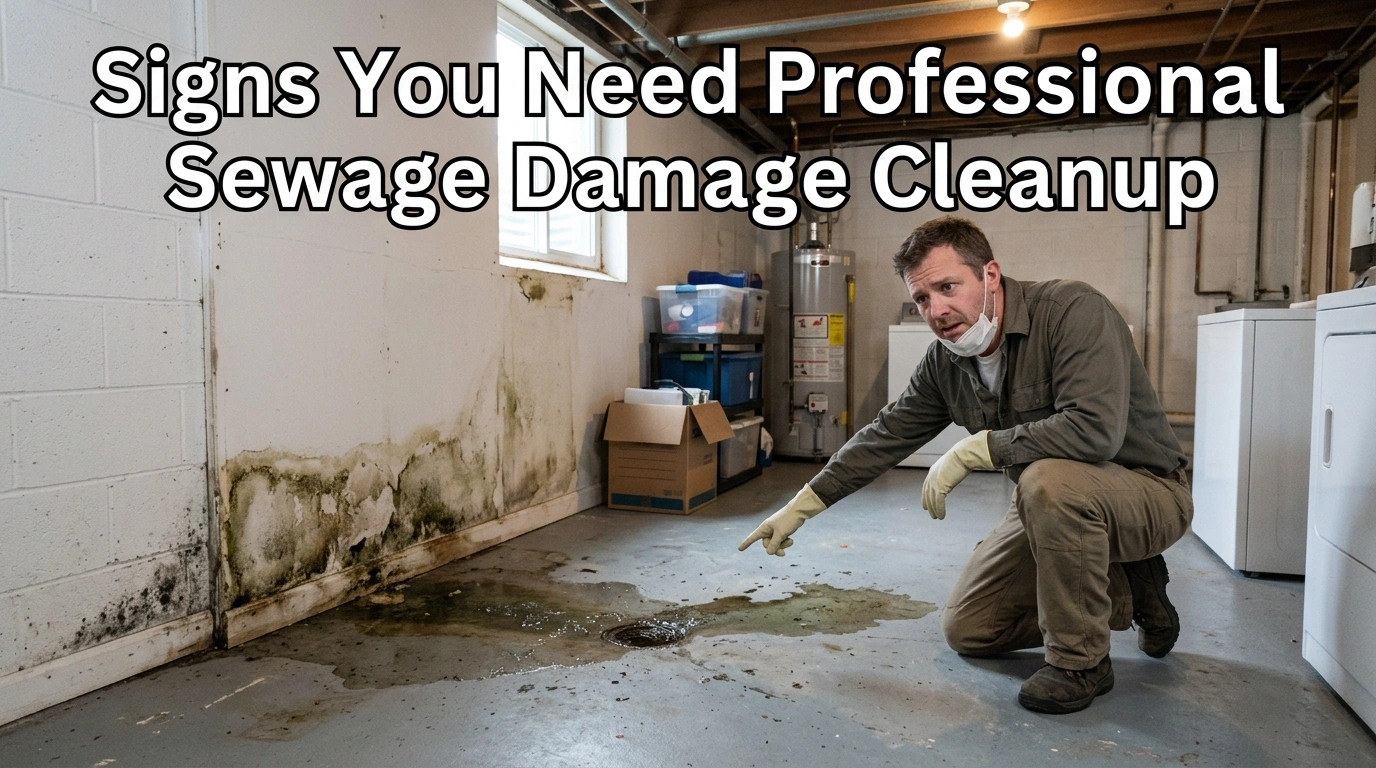
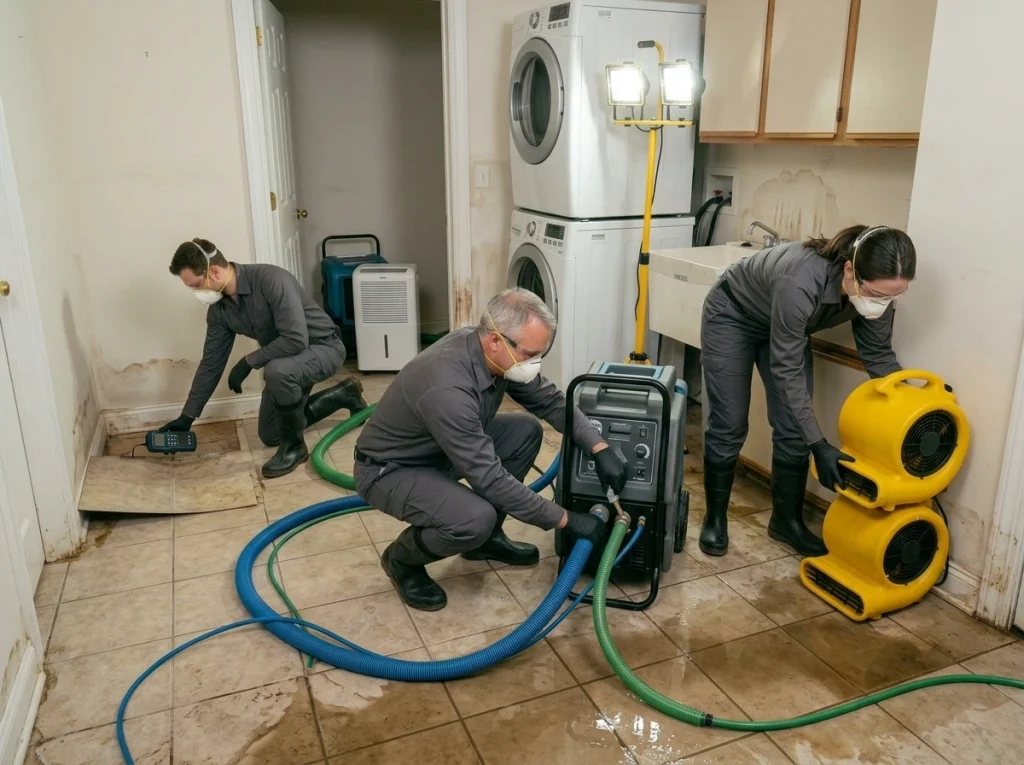
Not every water damage job looks the same. A burst pipe under the sink is a problem, but it can be solved. A sewer backup or septic overflow is an entirely different situation. This type of water can contain bacteria, viruses, and other harmful contaminants, which is why it is considered black water. Crews handling it wear additional protective gear and follow stricter procedures to prevent contamination from spreading further.
The process itself changes too. Porous materials like carpet padding, insulation, and drywall that got hit by sewage usually can’t just be dried out and reused, so they get pulled and disposed of the right way. Disinfection happens before any drying equipment gets turned on, because running fans over contaminated material without cleaning it first just spreads bacteria around the room.
If you’re dealing with a sewer backup right now, don’t try to wait it out or handle it yourself. Contamination moves fast through flooring and wall cavities, and every hour it sits, more of your home ends up needing to be torn out later. Reach out to a company that’s equipped to handle both water and sewage damage repair so the job gets done the first time properly instead of getting reopened a few weeks down the line.
Restoration Equipment That Speeds Up the Drying Process
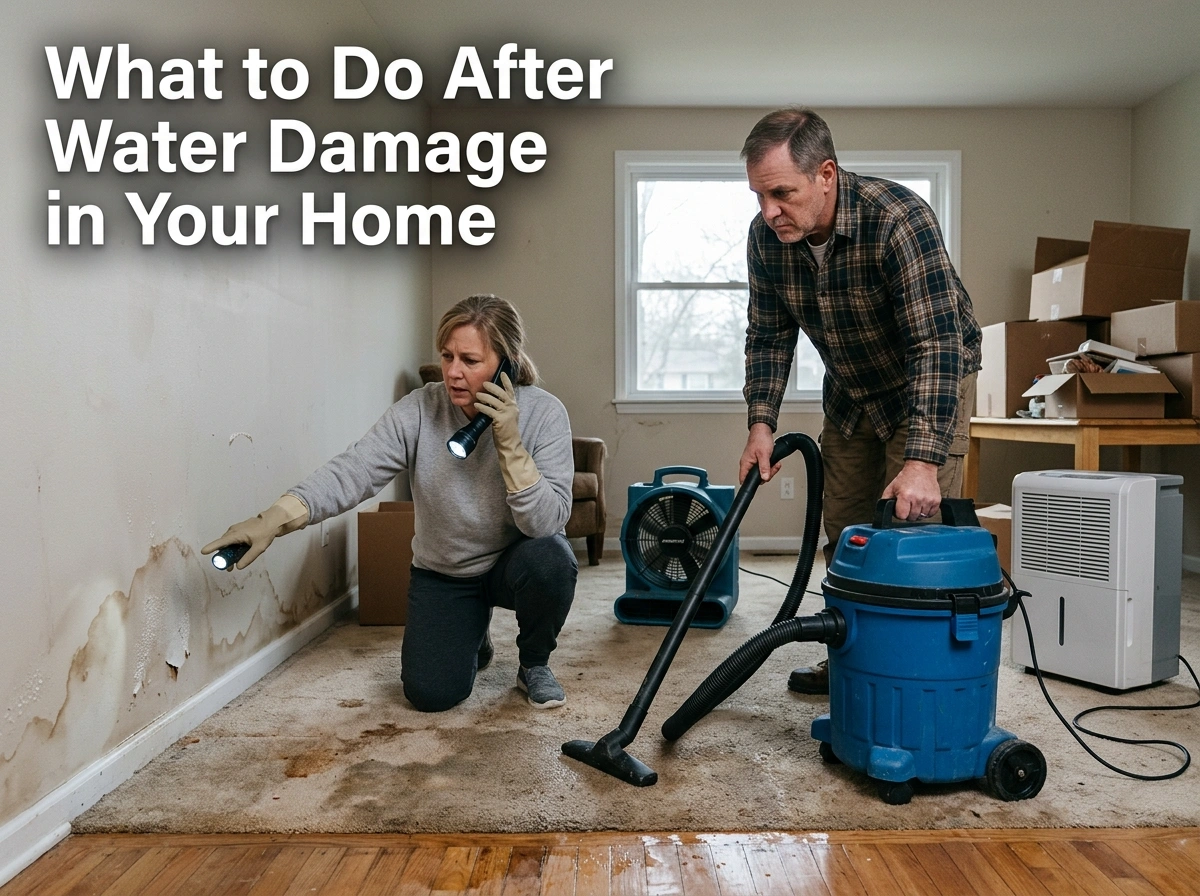
The equipment on a restoration job does a lot of the heavy lifting, and it’s worth knowing what’s actually being used in your house. Truck-mounted extractors pull large volumes of standing water out fast before it has a chance to soak deeper into flooring. Industrial air movers push air across wet surfaces so evaporation happens quicker than it would naturally. Low-grain refrigerant dehumidifiers strip moisture from the air itself, which helps materials dry evenly instead of just drying on top while staying wet underneath. And moisture meters or thermal cameras confirm what’s happening behind the walls, since that hidden moisture is impossible to spot with the naked eye.
How Long Does Home Water Restoration Take?
For most home water restoration jobs, drying takes somewhere around three to five days, assuming the leak was caught early and didn’t have time to spread too far. Reconstruction takes more time after that, and how much depends on what needs replacing. Sewage jobs almost always take longer than that, since disposal and disinfection have to happen before drying can even start, and there’s usually more material that needs to be removed entirely rather than just dried.
DIY Water Damage Cleanup vs. Hiring a Water Damage Restoration Company
A small spill, like a glass of water knocked over or a minor leak from an appliance, is usually fine to handle on your own with a wet vac and a couple of fans running overnight. But moisture that’s worked its way behind a wall or under the flooring is easy to miss without the right detection tools, and that hidden moisture has a habit of turning into a mold problem a few weeks down the road.
Sewage contamination or anything larger in scale is not something to take on yourself. Beyond the obvious health risk, insurance companies almost always want documentation from a licensed water damage restoration company before they’ll approve a claim. Skip that step, and you might end up paying for repairs out of your own pocket instead of through your policy.
Emergency Water Restoration in Kalispell, MT
Winters in the Flathead Valley are hard on plumbing, especially with how many homes around here still have older pipes that weren’t built to handle these kinds of temperature swings. Burst pipes and sewer backups tend to show up more often once spring thaw hits, and getting a crew out to the property fast is often the difference between a manageable job and a much bigger one.
That’s the gap Allied 24/7 Restoration fills locally. We’re based right here in Kalispell and offer round-the-clock emergency response for both water damage and sewage backups. If you’re dealing with a leak, a flood, or a sewer issue right now, head over to our team for water and sewage damage repair, and we’ll get someone headed your way.
Frequently Asked Questions
Does homeowners insurance cover professional water damage restoration?
It really comes down to what caused it. Something sudden and accidental, like a pipe bursting, is usually covered under a standard policy. A slow leak that went unnoticed for months because of poor maintenance often isn’t, so it’s a good idea to check your policy language before you actually need it.
How fast should I call a water damage restoration service after a leak?
Try to get someone out within a day or two at most. Mold can start forming in that window, and the faster the water gets pulled out, the less material ends up needing full replacement instead of just drying and cleaning.
Is sewage backup water damage covered differently than clean water?
In most cases, yes. Sewage backups fall under black water damage, and a lot of policies handle that under a separate endorsement with different terms than regular water damage coverage. It’s worth calling your insurer directly and asking what your specific policy says before you assume either way.