
Mold remediation removes existing growth, but it does not automatically correct the condition that allowed it to develop. If damp materials, elevated humidity, leaks, or condensation remain, new growth can develop after cleanup. Preventing mold after remediation in Kalispell requires attention to the home’s moisture sources, airflow, drainage, and routine upkeep. The goal is simple: keep materials dry and address water problems before they become another remediation project.
Why Mold Comes Back After Remediation
Unresolved Moisture Problems
Mold needs moisture to grow. A cleaned room can develop another problem when a plumbing leak, wet crawl space, foundation seepage, or indoor humidity remains unresolved. During follow-up checks, look beyond the original affected area and consider what caused the first problem.
Hidden Water Sources
Water can travel behind drywall, beneath flooring, around window openings, or through insulation without producing obvious puddles. A musty smell, staining, swollen trim, or recurring discoloration can indicate moisture inside a concealed space. If these signs continue, surface cleaning alone is unlikely to solve the issue.
Humidity and Condensation
Indoor moisture can collect on cold windows, pipes, exterior walls, and poorly insulated surfaces. Repeated condensation is a warning that humidity or surface temperature needs attention. In Kalispell, changing outdoor conditions can make seasonal moisture control especially important.
Control Moisture and Indoor Humidity
Monitor Indoor Humidity
Use a hygrometer to track relative humidity in rooms with a history of dampness. The EPA recommends keeping indoor humidity below 60 percent, ideally between 30 and 50 percent when practical. If readings remain high, find the source instead of relying only on a machine to remove moisture.
Use Dehumidifiers
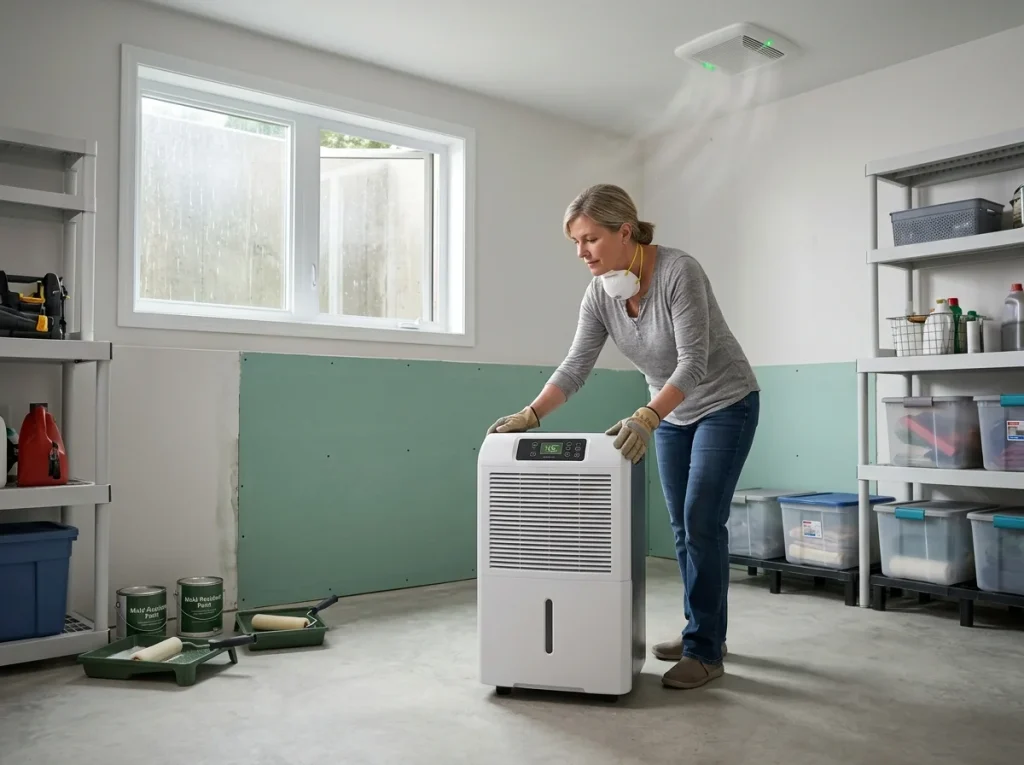
A dehumidifier can help in basements, lower levels, or other areas that stay humid. Select equipment suited to the space and maintain its filter, reservoir, drain hose, and other components. Dehumidification maintenance matters because a neglected unit may lose performance when you need it most.
Manage Seasonal Moisture
Humidity levels can change with weather and building conditions. Check areas that become damp during snowmelt, heavy rain, or periods of closed windows. Adjust ventilation, heating, cooling, or dehumidification as conditions change rather than waiting for visible growth.
Prevent Water From Entering Your Home
Plumbing and Appliance Leaks
Inspect supply lines, drain connections, water heaters, washing machines, dishwashers, and fixtures for drips or staining. A slow leak may wet cabinets, flooring, or wall materials for weeks before it becomes obvious. Prompt plumbing maintenance can prevent a small defect from becoming a larger moisture problem.
Gutters and Downspouts
Gutters should move roof runoff away from the building. Remove debris and check that downspouts discharge far enough from the foundation to prevent concentrated water near the structure. Downspout management is a simple part of water intrusion prevention.
Drainage and Foundation Issues
Persistent dampness near a basement or foundation may involve grading, surface runoff, groundwater, or drainage failure. Correcting the grading slope or improving perimeter drainage can reduce water reaching the structure. Depending on the property, a sump pump or other waterproofing measure may also be appropriate. The right solution depends on the source, not simply on where moisture appears.
Improve Airflow and Ventilation
Bathrooms and Kitchens
Use exhaust fans while showering and cooking, then allow them to run long enough to remove humid air. Fans should discharge outdoors rather than into an attic or enclosed cavity. If a room remains humid despite regular fan use, the ventilation setup may need evaluation.
Attics and Crawl Spaces
Attics and crawl spaces can develop hidden moisture problems when ventilation, insulation, or vapor control is inadequate. Check for damp insulation, staining, condensation, or musty odors. Do not assume adding vents alone will correct the problem; airflow, air sealing, and moisture entry must be considered together.
HVAC Maintenance
Heating and cooling equipment affects indoor moisture and air movement. Replace filters according to manufacturer guidance and keep condensate drains clear. An HVAC specialist can check restricted airflow, duct leaks, damaged insulation, or drainage issues that may contribute to condensation.
Make Mold Prevention Part of Home Maintenance
Regular Moisture Checks
Inspect previous trouble spots, under sinks, around appliances, near windows, and around HVAC equipment. Look for changes in odor, staining, dampness, or surface condition. Early attention is usually easier and less disruptive than dealing with established growth.
Seasonal Inspections
Before and after periods of heavy rain or snowmelt, check gutters, downspouts, exterior drainage, basement areas, and crawl spaces. Also inspect plumbing connections and roof-related areas for signs of water entry. A short seasonal review can catch conditions that routine cleaning may miss.
Early Warning Signs
Recurring condensation, peeling paint, swollen materials, unexplained stains, and musty odors deserve attention. These signs do not automatically prove mold is present, but they indicate that moisture may be affecting the building. Finding the cause early gives you a better chance of correcting it before damage spreads.
What to Do After New Water Damage
Dry the Area Quickly
After a leak or water event, stop the source if it is safe and begin drying affected areas promptly. Remove standing water and use appropriate air movement and dehumidification. Drying should address materials below the surface, not just what feels dry by hand.
Check Moisture-Damaged Materials
Drywall, insulation, flooring, and other porous materials can retain water after the surface appears normal. If materials remain damp or water has entered concealed cavities, professional assessment may be necessary. Moisture measurements can help determine whether drying is complete.
Know When to Call a Professional
Call for professional help when water has affected hidden spaces, drying is delayed, contamination is suspected, or mold keeps returning. Repeated cleaning without correcting the source only treats the symptom.
Find and Fix the Cause of Recurring Mold
Hidden Moisture Source
Recurring growth usually deserves a closer look at the building conditions. Investigate plumbing, exterior drainage, foundation areas, ventilation, HVAC components, insulation, and condensation. The visible spot may not be the location where the problem began.
Know When Professional Inspection Is Needed
If dampness continues despite normal maintenance, a professional can help identify moisture patterns and contributing conditions. Depending on the finding, you may need a restoration professional, plumber, HVAC specialist, drainage contractor, or waterproofing expert. The priority is identifying the cause and correcting it.
Frequently Asked Questions
How Can I Stop Mold From Coming Back?
Keep moisture under control, repair leaks promptly, maintain ventilation, monitor humidity, and inspect areas that previously had problems.
What Humidity Level Helps Prevent Mold?
Keep indoor relative humidity below 60 percent. A target between 30 and 50 percent is generally preferable when practical.
Can Mold Return Without a Visible Leak?
Yes. Condensation, high humidity, hidden plumbing problems, foundation moisture, and damp insulation can create favorable conditions without standing water.
Should I Use a Dehumidifier After Remediation?
Use one when humidity remains elevated. Choose suitable equipment and maintain the filter, drainage, and operating components.
When Should I Have My Home Checked Again?
Arrange an evaluation when growth returns, moisture persists, or you notice recurring odors, staining, condensation, or unexplained dampness.
Mold Prevention Checklist
Keep humidity controlled, maintain gutters and downspouts, inspect plumbing, use exhaust fans, maintain HVAC equipment, check drainage, and respond quickly to water damage. If moisture repeatedly appears, investigate the source instead of repeatedly cleaning the affected surface.
For Kalispell homeowners, lasting prevention depends on controlling the conditions that allow mold to grow. If mold has returned or a moisture problem remains unresolved, Allied 24/7 Restoration can help identify the source and determine what needs to be addressed.
Mold Inspection & Remediation in Kalispell
If recurring mold points to an unresolved moisture problem, mold inspection & remediation can help determine where the issue is coming from and what steps are needed. Allied 24/7 Restoration provides professional mold services in Kalispell, Montana, helping homeowners address existing mold and the moisture conditions behind it.